

How Long Do Windows Last? A UK Homeowner’s Guide
- UPVC windows:
Typically last 20–30 years, and in some cases up to 35 years, provided they’re installed to a high standard and well maintained. - Aluminium windows:
Generally offer 30–45 years of longevity, and they won’t warp, swell, or crack, even when exposed to extreme temperatures. - Timber windows:
Usually last 30–40 years, though with consistent, effective upkeep they can surpass this and reach around 60 years.
Having a general understanding of how long do windows last is helpful, as it can impact energy efficiency, heating bills, and issues such as damp and mould. When a window, or several, starts to let in draughts or hold moisture, it can make your home more expensive to warm and may lead to condensation and damp patches forming. Poor-performing windows can even lower the overall value of your property.
The lifespan of UPVC, aluminium, and timber window styles differs. Knowing how each material tends to age, along with the common signs of wear, can help you stay ahead of expensive repairs or full replacements.
How Long Do Windows Typically Last?
Modern double glazed windows tend to have a lifespan of around 20–25 years, though this can vary depending on the style. Factors such as the frame material (UPVC, aluminium or timber), the quality of the installation, weather resistance, overall product build and ongoing upkeep all influence how long a window will perform effectively.
You might be surprised to know that older single-glazed windows can remain in place for many decades when properly maintained. However, their thermal efficiency, insulation levels and ability to keep out damp fall short when compared with today’s double glazed units. For that reason, choosing double glazing is usually the smarter option in terms of practicality and long-term cost.
What Influences Window Lifespan?
Below are the main factors that can shape how long your windows last and how well they perform:
- Weather conditions
Without proper upkeep, timber windows and lower-grade UPVC frames are more likely to deteriorate when regularly exposed to rain, frost, temperature swings and ongoing moisture. - UV exposure
Inferior UPVC and timber units positioned on south-facing elevations can experience fading, warping, brittleness and failing seals due to intense sunlight. - Coastal environments
In seaside locations, durable window materials and consistent maintenance are essential. Salt in the air can quickly corrode hardware such as hinges and locks, along with frames and seals, if they’re not made to withstand coastal conditions. - Material quality
Not all UPVC, aluminium and timber windows are built to the same standard. The models that tend to last longest are those featuring specialist coatings, thicker profiles and premium glazing. - Craftsmanship and installation
Even well-made windows can underperform if fitted poorly. Faulty installation can lead to draughts, moisture ingress and early seal failure, dramatically shortening the lifespan of the product. - Hardware and component standard
Often it’s the handles, locks and hinges that fail first. Strong, corrosion-resistant hardware is crucial for long-term performance and overall durability. - Maintenance needs
Aftercare plays a pivotal role in extending window life. This includes routine cleaning, repainting and resealing (especially for timber), lubricating moving parts and checking seals frequently.
How Long Do Double Glazed Windows Last?
The thermal efficiency of insulated glass units (IGUs) in double or triple glazed windows typically begins to decline after 15–20 years. Premium A-rated units, featuring high-quality sealing and argon or krypton gas fills, can last beyond 20 years, provided they are expertly installed and built to withstand severe weather conditions.
There are several indicators that an IGU is starting to fail. Misting or fogging between the glass panes often occurs when the perimeter seal deteriorates, allowing moisture to enter the cavity between the layers. Condensation inside the unit is another sign, showing that the insulating gas has leaked and been replaced by moisture. Damaged or broken seals also contribute to heat loss and reduced insulation. Draughts appearing near the glazing edges can indicate gaps or a seal failure.
When these problems appear, it signals declining unit performance, even if the window frame itself remains structurally sound.
What Factors Influence the Lifespan of Double Glazing?
Several factors can reduce how long double-glazed windows remain effective:
- Poor Installation
If a window is installed incorrectly, it may be uneven, poorly sealed or misaligned, leading to water ingress and accelerated seal or frame damage. Even the highest-quality window cannot perform properly without professional fitting. - Inadequate spacer bars
Spacer bars separate the glass panes, and substandard ones are prone to corrosion and heat transfer, increasing the likelihood of condensation and lowering insulation efficiency. - Thermal Pumping
Repeated expansion and contraction of the frame and glass from heating and cooling cycles places stress on the seals. This can slowly allow insulating gas to escape, eventually causing seal failure. - Sealant Degradation
The perimeter sealant holds the panes together and retains insulating gas. Over time, exposure to UV light, temperature extremes and chemical effects can degrade the seal, causing fogging, condensation and reduced thermal performance. - Pressure Changes
Changes in atmospheric pressure (common in high-rise locations or areas with rapidly shifting weather) can stress IGU seals, promoting failure and water ingress. Windows on south-facing elevations are particularly vulnerable due to prolonged direct sunlight.
How Long Do UPVC Windows Last?
Contemporary UPVC windows typically have a lifespan of 20–35 years or more.
Older UPVC can discolour or yellow over time, but today’s formulations are designed to resist fading, keeping windows looking fresh for longer. Improved UV stability also means modern uPVC is less likely to crack or become brittle, and it offers better energy efficiency.
For the most part, contemporary UPVC is low-maintenance. It usually just requires an occasional wipe with a soft cloth and mild detergent to remove dirt. Moving parts benefit from periodic lubrication, but there’s no need for painting or staining like with timber frames.
The lifespan of UPVC windows depends heavily on high-quality hardware to prevent mechanical failure. Steel reinforcement within the frame also adds rigidity, reducing the risk of warping or distortion from weight or temperature fluctuations.
How Long Do Aluminium Windows Last?
Modern thermally broken aluminium windows usually have a lifespan of 30–45 years, highlighting their exceptional durability. The thermal break creates an insulating barrier between the inner and outer aluminium profiles, reducing heat loss, preventing condensation, and helping maintain the frame’s shape.
Aluminium frames are powder-coated, providing a durable finish that resists fading, peeling, and damage from the elements.
Corrosion and rust are not a concern, as aluminium naturally forms a protective oxide layer. Combined with a high-quality coating, this makes it an excellent choice for coastal homes or areas exposed to harsh weather.
Maintenance is straightforward: simply clean the frames and lubricate hardware occasionally to keep everything functioning smoothly.
How Long Do Wooden Windows Last?
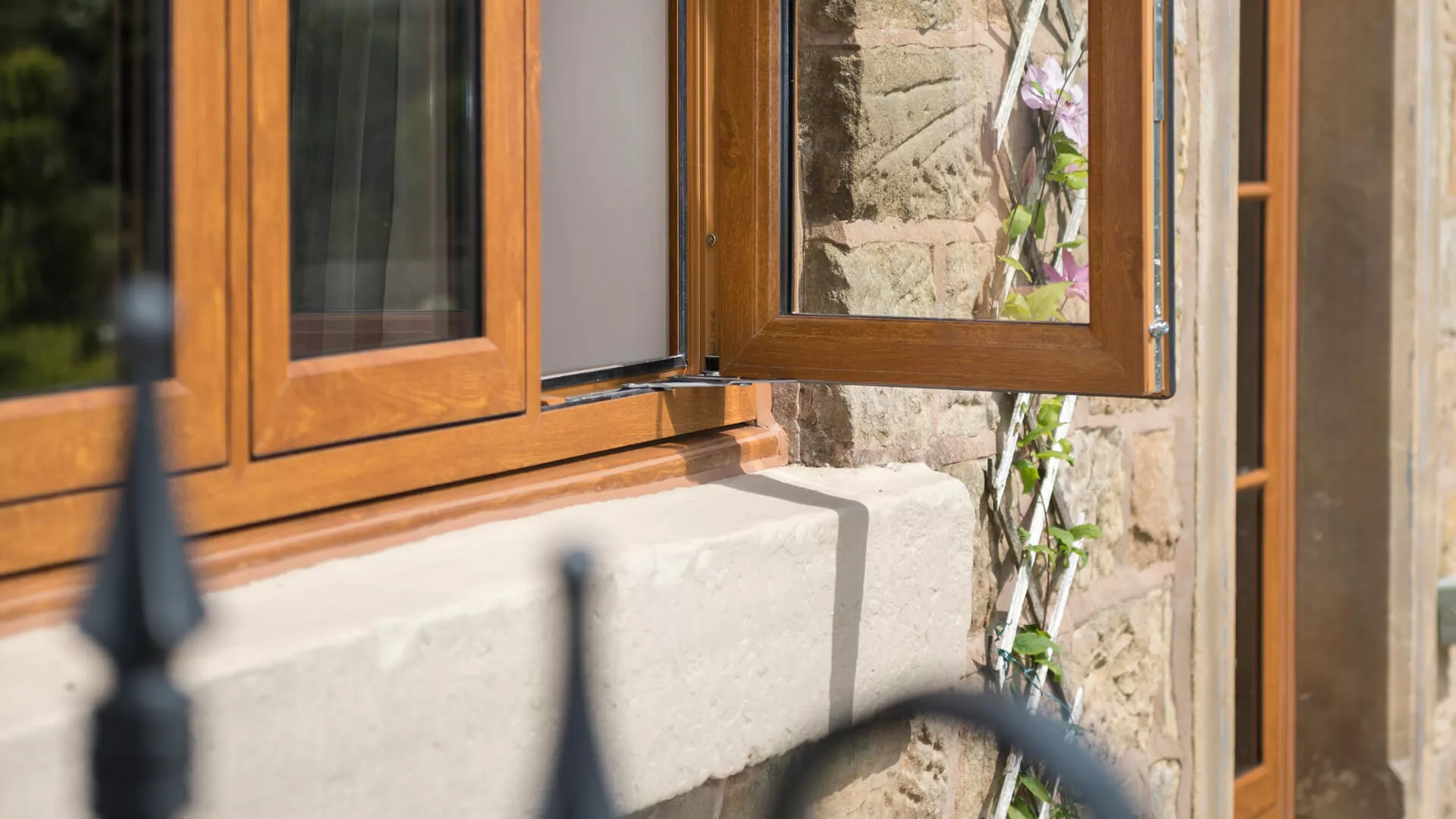
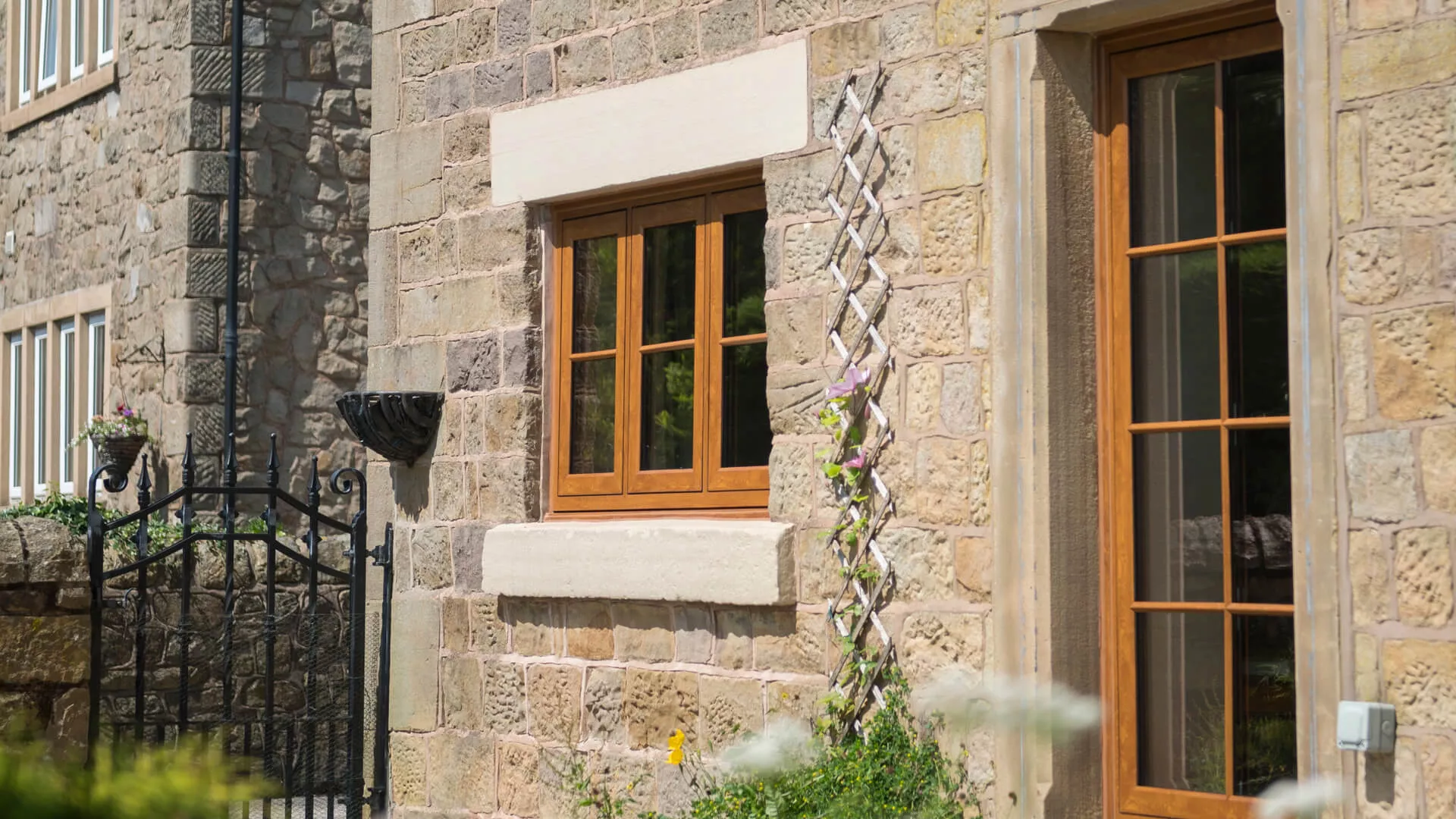
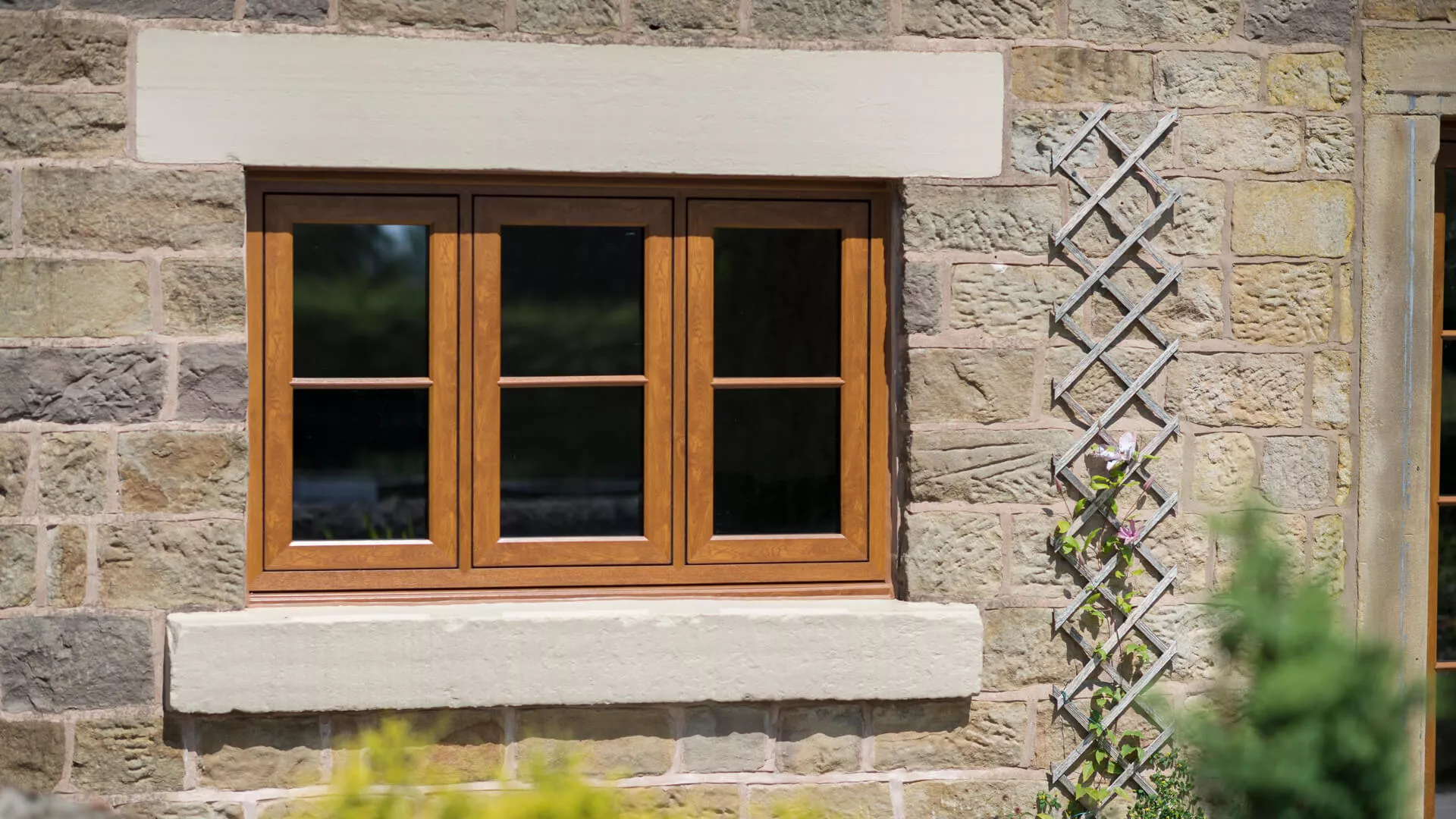
Premium timber windows can outperform other materials, usually lasting around 30 years, and with attentive maintenance, some can endure 50–60 years or longer.
Softwood windows, being less dense and more porous, are more susceptible to swelling or rotting from moisture. With adequate protection and routine care, they can last 25–35 years.
Hardwood options such as oak, mahogany, and teak are stronger, denser, and more moisture-resistant. When treated and maintained correctly, their lifespan can reach 50–60+ years.
Regular upkeep (repainting, re-staining, and treating the timber) is essential to protect against rot, warping, moisture, UV exposure, and pest damage. Neglecting this maintenance can cause even the finest timber to degrade rapidly.
Which Window Frame Lasts the Longest?
We often get asked how long should windows last and the answer is presented in a table format below, with a few extra points to consider…
Feature
UPVC
Aluminium
Timber
Typical lifespan
UPVC 20-35 years
Aluminium 30-45 years
Timber 30-60 years
Durability
UPVC Good
Aluminium Excellent
Timber Very good but only if maintained
Maintenance
UPVC Extremely low
Aluminium Extremely low
Timber High
Thermal quality
UPVC Very good
Aluminium Good to very good
Timber Excellent
Design options
UPVC Fairly limited
Aluminium Very broad
Timber Generally broad
Cost
UPVC Usually, the lowest priced
Aluminium Usually, the highest priced
Timber Mid-range
The lifespan of a window is influenced by both the environment it faces and the quality of its construction. As a result, a well-made UPVC window in a mild climate could easily outlast a poorly crafted aluminium or timber window exposed to extreme conditions.
When Should You Replace Your Windows?
If you’re wondering when to replace windows, the signs that it’s time include condensation inside double- or triple-glazed units, draughts and air leaks, stiff or difficult operation, damp or mould on frames, damaged seals, rising heating costs, and similar issues.
Poor installation can be a costly mistake, potentially meaning you need new windows far sooner than anticipated.
Common problems that indicate you’ll need a replacement window installed may include:
- Frames that aren’t level or square
- Inadequate sealing or insulation around window edges
- Loose fixings
- Gaps behind trims or cills
As mentioned earlier, even the highest-quality windows won’t perform properly without professional installation.
How to Extend the Life of Your Windows
You can prolong your windows’ performance with simple, regular maintenance. Follow these steps:
- Clean frames and glass: Remove dirt and debris every 2–3 months to prevent staining and protect seals and coatings from wear.
- Lubricate moving parts: Apply a light silicone spray or specialist lubricant to hinges, locks, and other moving components every 6–12 months to ensure smooth operation.
- Inspect seals and gaskets: Check for cracks or gaps every 6–12 months and replace them if needed to prevent moisture ingress.
- Clear drainage channels and trickle vents: Remove leaves, dirt, and insects every 6 months so water can flow freely.
- Check for moisture or mould: Examine frames every 6–12 months for damp or mould, helping avoid structural damage or glazing issues.
- Use windows regularly: Frequent opening and closing keeps mechanisms working freely and can highlight stiffness or other early issues.
We hope you now have a better understanding of how often do windows need to be replaced. If this has made you think it’s time for new windows, we’re just a phone call away.
If you found this guide useful, you might also enjoy our article what is a good u value for windows – it’s packed with helpful information if you’re looking to replace your windows soon.
Request your free quote today!
Simply fill in your details for your free, no obligation quotation, and click "Get Quote"